
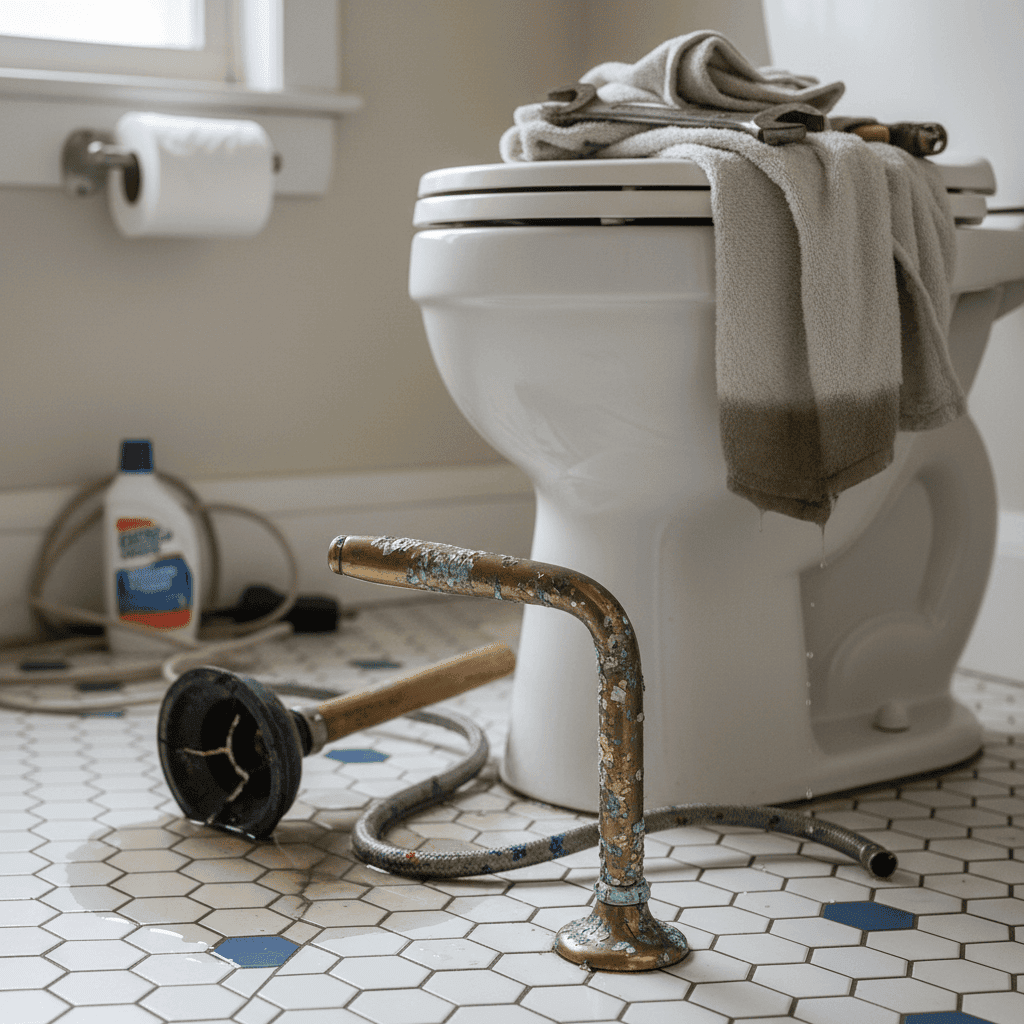
Spotting a tiny leak or odd noise from your toilet may seem like a small hassle at first. Ignoring these signs often leads to bigger messes, sky-high water bills, or even damage to your home’s structure. People who have fixed these problems notice that catching them early saves money and stress. Quiet leaks can waste up to 200 gallons of water a day, which hits your wallet hard. Some tricks, like checking the flapper or listening for running water when the toilet’s not in use, helped me avoid costly repairs. Homeowners and renters benefit the most by learning these early warning signs and knowing when it’s time to call in a pro to stop trouble before it explodes. Keep reading to uncover simple fixes that protect your home and avoid flooding disasters.
Whether you own a newer home or live in an older property the same set of symptoms usually points to common underlying problems. I will explain what each warning sign likely means how to test the issue and what a typical repair involves so you can act with confidence.
Why paying attention to toilet repair warning signs pays off
Small failures often get bigger with time. A running toilet can waste hundreds of gallons of water every week. A slow leak under the base can rot subflooring and lead to mold growth. Spotting problems early saves money and reduces stress when a plumber arrives.
Besides saving on repair costs there are safety and comfort reasons to pay attention. Repeated clogs can indicate a partial sewer blockage that can cause foul backups. Unusual smells may mean bacteria growth or a failed seal. Watching for the signs gives you control over what to do next.
Constant running water and phantom flushes
A toilet that runs continuously or refills by itself after you have not flushed is one of the most common warning signs. The usual causes are a worn flapper a misaligned chain or a faulty fill valve. These items sit in the tank and are inexpensive to replace but ignoring the sound wastes water day and night.
- How to check quickly stand near the tank while the toilet is unused and listen for water flow
- Try the dye test squirt a few drops of food coloring into the tank wait 10 to 20 minutes and check the bowl for color
- If color appears the flapper or overflow tube is letting water escape into the bowl
Flushing problems weak flushes and frequent clogs
When a toilet needs several flushes to clear waste or clogs repeatedly that points to either a bowl obstruction worn parts or low water supply to the bowl. Low pressure in the water supply line or calcium buildup in the rim holes can reduce flushing power.
Flapper and chain issues
Look inside the tank at the flapper. If the rubber looks warped or brittle replace it. If the chain is too loose the flapper may not lift far enough for a full flush. If the chain is too tight it may hold the flapper open causing running water.
Fill valve and rim hole problems
Fill valves can fail slowly causing the bowl to receive less water during the refill cycle. Rim holes under the bowl lip allow water to enter the bowl for flushing. Mineral deposits can clog those holes and reduce cleaning force. A small wire or a brush designed for rim holes can clear light buildup. For heavy mineral deposits replacement is usually the most practical option.
Leaks visible at the base tank or under the floor
Water around the toilet base is a red flag. It can mean a failed wax ring loose bolts or a cracked base. If you spot water on the floor dry the area then place several sheets of paper towel to identify when and where moisture reappears. This helps you and a technician diagnose whether the leak occurs during a flush or continuously.
Tank cracks and internal leaks
Look for hairline cracks on the tank surface especially near the mounting bolts. Cracks sometimes leak slowly so paper towel tests around bolts and under the tank are useful. Tank bolts that rust can loosen causing slow leaks where the tank meets the bowl. Replacing bolts and rubber washers often fixes these leaks.
Unusual noises and vibrations
Strange noises during refill or sudden banging in pipes when the toilet shuts off indicate more than an annoyance. Those sounds can point to high water pressure a worn fill valve or a phenomenon known as water hammer that stresses supply lines.
- Hissing during refill usually means a valve is not seating properly
- Knocking or banging suggests rapid valve closure that sends a shock through the plumbing
- Persistent vibration may be caused by a loose supply line or worn mounting hardware
If you hear these signs frequently the quick fixes include replacing flexible supply lines or adding an arrestor that cushions pressure changes. If your home has many noisy fixtures consider testing whole house water pressure with a simple gauge available at hardware stores.
Odors staining and discoloration
Persistent sewer smells near a toilet are not normal. They usually mean a failed wax ring a cracked flange or a problem in the waste line that allows sewer gas to escape. Staining and discoloration around the base can indicate long term leakage and mold growth.
To check for a failed wax ring lift the seat and look for gaps between the base and the floor. If your bathroom floor shows soft spots or the toilet rocks when you sit that is a strong signal to stop using the fixture until it is secured and the seal is replaced.
When a shaky toilet is more than loose bolts
A toilet that wobbles is often tightened with new bolts. That fixes many cases. If the wobble returns or the floor feels spongy the subfloor may be water damaged. A loose toilet can allow sewer gas to leak and bacteria to grow under the base.
- If the wobble disappears after tightening bolts then monitor for recurring movement
- If the floor dips or the bolt holes are enlarged the flange may be corroded or broken
- Replacing the flange and resealing with a new ring is the right step when the base no longer seals evenly
Signs that point to a sewer line or vent problem
Toilets that back up unpredictably or gurgle when other fixtures run may indicate a partial sewer blockage or a clogged vent pipe. Gurgling means air is being pulled through the toilet trap when a distant fixture drains. This is a clear sign to investigate the vent or the main line.
Simple checks include running a large volume of water through the system to see if the problem is isolated to one fixture. If multiple drains are slow or there are repeated backups you should consider having the main sewer line inspected. A camera inspection provides a direct look at roots blockages and collapsed sections that cause chronic problems.
Practical steps to take right now
Many toilet problems are manageable with a few basic tools and a little care. Here are actions to try before placing a service call.
- Turn off the shutoff valve at the wall if you see active leaking
- Use a plunger with a flange for toilet clogs and avoid chemical drain cleaners that can damage seals
- Perform the dye test to detect hidden tank to bowl leaks
- Check tightness of tank bolts and base bolts but do not overtighten porcelain
- Keep a small supply kit that includes a replacement flapper a tank bolt set and a wax ring
These measures can prevent further damage and help you explain the problem clearly to a repair person. If you are not comfortable lifting the tank lid or working around plumbing shutoffs it is perfectly reasonable to stop and call a professional for safety and accuracy.
When to bring in a professional and what to expect
Not every toilet problem needs a licensed plumber. Simple parts replacement and clear clogs are homeowner friendly. You should call a professional when leaks are ongoing when subfloor or structural damage is suspected or when sewer line issues are likely.
Professional technicians provide diagnostic tests and can perform a full replacement if parts fail repeatedly. For complete toilet replacement or complex waste line repairs an expert delivers faster reliable results and a warranty on parts and labor. If you are looking for local service consider reading reviews and asking for written estimates before work begins.
If you need comprehensive care for a failing toilet or plan to swap units in multiple bathrooms search for a provider that lists both repair and replacement services like toilet repair and installation for clear information on services and booking.
Preventive checks to reduce future problems
Simple periodic inspections reduce the chance of surprises. Once every few months check the tank hardware the supply line and the base for leaks. Keep rim holes clean and replace soft rubber parts every two to five years depending on water quality.
- Hard water increases mineral buildup so install a water softener or clean rim holes more often
- Replace flappers before they become brittle especially in older toilets
- Consider one bathroom at a time when upgrading to water efficient models to balance cost
Keeping a short maintenance log helps track parts replaced and dates of service so you can anticipate future needs.
Conclusion
Toilet repair warning signs are rarely subtle. Running water recurring clogs odors wobbling bases and unusual noises all point to problems that are best addressed sooner rather than later. Many fixes are inexpensive and straightforward but some issues quickly grow into larger repairs when left alone. By following the checks and quick fixes outlined here you can identify the likely cause explain the problem clearly to a technician and avoid common pitfalls like using harsh chemicals or overtightening bolts.
If you see any of the warning signs described and are unsure how to proceed take these steps right away stop using the fixture if there is active leakage turn off the water supply and document what you observe. For work that involves sewer lines structural repairs or repeated failures call a qualified technician. A timely visit will save money protect your floor and keep your household running smoothly. Contact a local service to schedule an inspection or request a quote and get the issue resolved with the least disruption to your home.
