
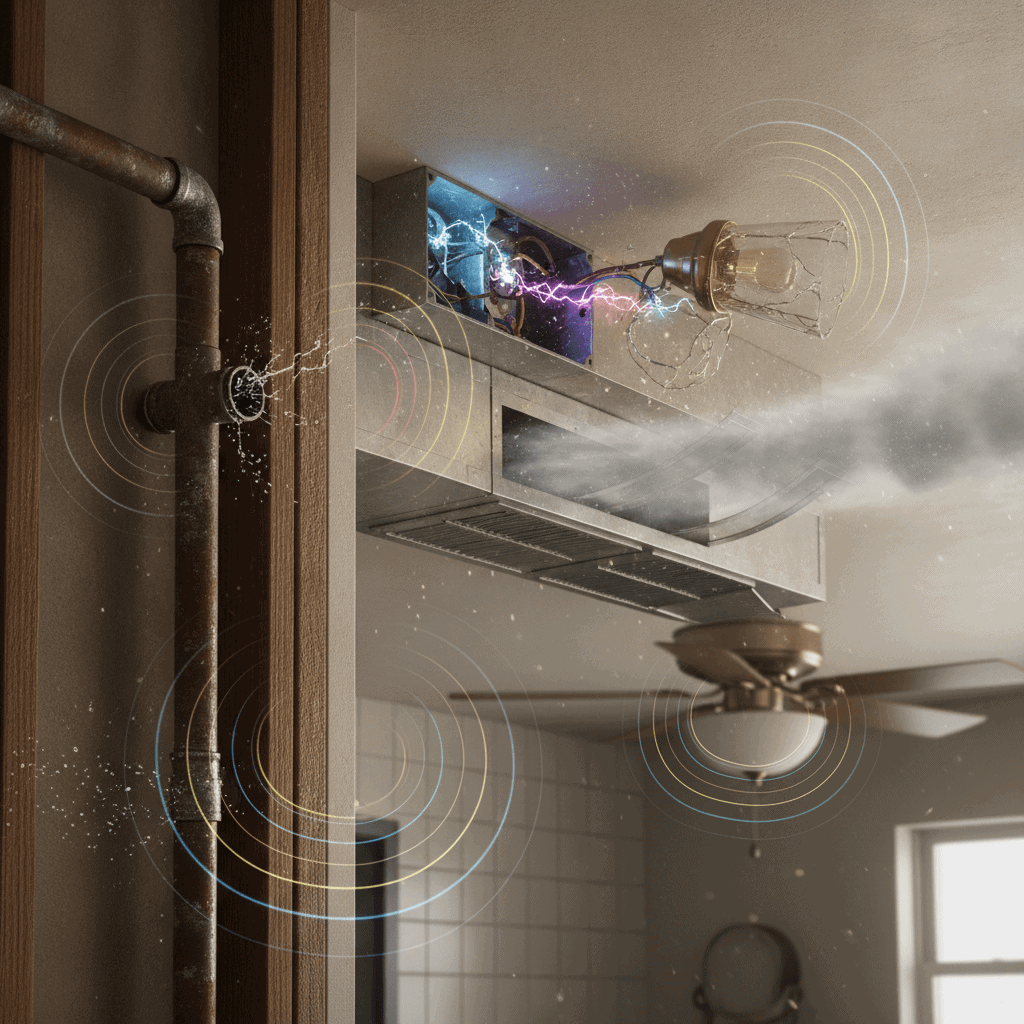
The sounds coming from our home fixtures can often be a source of mystery and sometimes frustration. We expect our plumbing to work quietly in the background, reliably providing water and carrying waste away. When a faucet starts to sing a strange tune or a toilet hisses unexpectedly, it can disrupt the peace of our living spaces. Understanding why fixtures make noise is the first step toward finding a solution and restoring calm to your home.
I have seen many homeowners wonder about these peculiar sounds. From loud banging to soft whistling, each noise tells a story about what might be happening within your plumbing system. These sounds are not just annoying they can often be indicators of underlying issues that need attention. We believe in empowering you with knowledge so you can address these problems effectively.
I want to explore the common culprits behind noisy fixtures. We will look at typical causes and provide insights into how you can diagnose and potentially fix these disturbances. My goal is to help you understand your home’s plumbing better and to make your environment more comfortable and efficient. Let us dive into the world of plumbing acoustics.
Understanding Water Pressure Problems and Fixture Noises
One of the most frequent reasons why fixtures make noise involves inconsistencies in water pressure. High water pressure can create a lot of sound. It pushes water through pipes with excessive force leading to vibrating pipes or sputtering faucets. Low water pressure can also cause problems making fixtures struggle to operate properly and producing odd sounds.
When the pressure is too high, it is not just about noise. It can also strain your pipes and appliances leading to premature wear and tear. This is a common issue I often see. A pressure reducing valve, or PRV, can help regulate the water pressure coming into your home and maintain it at a safe level, usually between 40 and 60 psi.
A PRV that is failing or incorrectly set can contribute to pressure problems. If you notice a sudden change in water flow or increased noise after plumbing work, a PRV check might be necessary. It is a good idea to test your home’s water pressure periodically. You can do this with a simple gauge that attaches to an outdoor faucet.
How Water Hammer Affects Your Fixtures
Water hammer is a particularly loud and startling sound. It is a banging noise that happens when water flowing through pipes is suddenly stopped or forced to change direction. This abrupt stop creates a shockwave that rattles the pipes. I often hear descriptions of it sounding like someone hitting the pipes with a hammer.
This issue commonly occurs when you quickly turn off a faucet or an appliance like a washing machine stops its water flow. The force of the water slamming against a closed valve causes the pipes to vibrate and strike against wall studs or other pipes. While it might seem harmless, repeated water hammer can damage your plumbing system over time.
Air chambers or water hammer arrestors are designed to absorb this shock. They provide a cushion for the water to dissipate its energy. If you are experiencing water hammer, checking these devices or installing new ones could be the key to quieting your system. Proper pipe strapping and insulation can also help prevent pipes from banging against surfaces.
Addressing Loose or Worn-Out Components in Fixtures
Many noises stem from components within the fixtures themselves. As plumbing fixtures age, parts can become loose or wear down. This wear and tear leads to vibrations and sounds that were not there before. I frequently encounter issues with faucet washers, cartridges, and valve stems that are past their prime.
A loose washer inside a faucet can cause a chattering or squealing sound when the water is running. This happens because the water flow makes the washer vibrate against its housing. Replacing a worn-out washer is a relatively simple and inexpensive repair that can make a big difference.
Cartridges and valve stems in newer, single-handle faucets can also wear out. When this happens, they might produce a grinding or whistling noise. These components control the water flow and temperature. A failing cartridge can also lead to drips or leaks, so addressing it promptly is wise.
The Role of Aerators and Spray Hoses
Faucets often have aerators at the tip of the spout. These small screens mix air with the water to create a smooth, consistent stream. They can become clogged with mineral deposits or debris over time. A clogged aerator restricts water flow which can cause whistling or sputtering sounds from the faucet. I suggest unscrewing the aerator and cleaning it regularly.
Kitchen faucets with pull-out spray hoses can also be a source of noise. The hose might rub against internal components or get tangled under the sink. This creates friction and a scraping sound when the hose is pulled out or retracted. Checking the hose for kinks or obstructions can help eliminate this noise. We also look for proper hose weights that keep it positioned correctly.
Sometimes, the sprayer head itself can be faulty. A damaged or poorly sealed spray head might leak or emit a hissing sound when the water is running. Inspecting these parts for visible damage or blockages is a good starting point for troubleshooting. A clean and clear aerator or a freely moving spray hose can greatly improve fixture performance.
The Impact of Air in the Plumbing System
Air trapped within your plumbing pipes can be a significant source of strange noises. Air pockets can cause a variety of sounds from gurgling and bubbling to sputtering and spitting from faucets. This often happens after plumbing repairs, when water service has been temporarily shut off, or when there are issues with the water heater.
When air gets into the system, it travels with the water. As it passes through fixtures and turns in the pipes, it creates turbulence and audible sounds. We often see this immediately after a main water line repair. The system needs to be properly bled to release the trapped air to stop these noises.
Persistent air in the lines can also affect water pressure and cause uneven water flow. This can be particularly noticeable in showers or with hot water. Addressing the air issue quickly helps restore normal function and quiet your pipes. It is a common problem that has a straightforward solution.
Understanding Drain and Vent Issues
Drainage systems rely on proper venting to allow air to enter the pipes. This air helps wastewater flow smoothly. If a drain is blocked or a vent pipe is clogged, it can create a vacuum effect when water drains. This vacuum pulls air through water traps causing gurgling or bubbling sounds.
I often explain to homeowners that these gurgling sounds, particularly from drains or toilets, can indicate a partial blockage. When water tries to flow past an obstruction, it pulls air from nearby traps to relieve the pressure difference. This can be a sign that a serious clog is forming in your drain lines. If you hear frequent gurgling from your drains or toilets, it is wise to investigate. Understanding what gurgling drains and toilets mean can help you prevent bigger problems. It is a common symptom of blocked or partially blocked pipes.
A properly functioning vent system is crucial for silent and efficient drainage. If a vent pipe is blocked by debris, nesting animals, or even ice in colder climates, it cannot equalize the pressure. This leads to the audible gurgle or a slow draining fixture. We make sure vent pipes are clear when diagnosing such issues.
High Water Velocity and Pipe Restrictions
High water velocity within your plumbing system can be a hidden cause of fixture noise. This occurs when water flows too fast through pipes that might be too small for the demand, or when there are sharp turns and kinks in the piping. Fast-moving water creates turbulence and friction against pipe walls leading to whistling, humming, or even a hissing sound.
I sometimes find older homes with original plumbing that was not designed for modern water demands. This can lead to undersized pipes struggling to keep up. The restricted flow and increased speed of the water causes friction noise. Upgrading pipe sizes can be a more involved solution but it offers long-term quiet and efficiency.
Valves that are not fully open can also act as restrictions. A partially closed stopcock or shut-off valve forces water through a smaller opening. This increases velocity in that section and creates a distinctive whistling sound. Always ensure that all valves are fully open or closed when you are troubleshooting.
Mineral Buildup in Pipes and Fixtures
Mineral buildup, especially from hard water, can accumulate inside pipes and fixtures over time. These deposits narrow the internal diameter of the pipes. This effectively creates a restriction that increases water velocity and generates noise. It is similar to putting your thumb over a garden hose to make the water spray faster.
Inside a water heater, mineral sediment can also build up at the bottom. This can cause rumbling or popping sounds as the heating element tries to heat the water through the sediment. Regular flushing of your water heater can help remove these deposits and prevent noise.
In faucets and showerheads, mineral deposits can clog internal passages. This also restricts water flow and leads to whistling or sputtering. Cleaning these fixtures with vinegar or specialized descaling solutions can dissolve the buildup and restore quiet operation. I always suggest proactive maintenance to avoid these issues.
Loose Pipes and Mounting Issues
Sometimes, the noise is not from inside the pipes but from the pipes themselves moving. Loose pipes are a common cause of banging, rattling, or thumping sounds. This happens when pipes are not securely fastened to the wall studs or joists. Water flowing through them causes vibrations, and the pipes hit against other surfaces.
I often find this problem in older homes where pipe hangers or straps have deteriorated or were never installed adequately. Hot water pipes are particularly prone to expansion and contraction. This movement can cause them to rub or bang against framing materials if they are not properly secured. The constant movement can eventually lead to leaks.
Securing loose pipes with appropriate straps and clamps is an effective solution. Adding insulation around pipes can also help dampen vibrations and prevent them from contacting structural elements. This not only reduces noise but also protects your plumbing infrastructure from wear caused by movement.
Improperly Installed Fixtures
Fixtures themselves, if not installed correctly, can also contribute to noise. A toilet tank that rocks or a showerhead that is not firmly attached can vibrate with water flow. This creates rattling or buzzing sounds. Proper installation is key to preventing these issues.
Toilet fill valves can be a source of constant hissing or whistling. This might mean the valve itself is faulty or that it is not adjusted correctly. We often check the water level in the tank and the float mechanism to ensure the fill valve is shutting off properly. A worn out flapper can also cause the toilet to constantly run.
Ensuring that all fixtures are tightly mounted and that internal components are correctly aligned can eliminate many common noises. Sometimes, a simple tightening of a screw or a slight adjustment can make all the difference. We always advocate for professional installation to avoid these problems from the start.
Why Fixtures Make Noise Conclusion and Solutions
Understanding why fixtures make noise is truly about understanding your home’s plumbing system. We have covered a range of issues from water pressure and water hammer to loose components, air in pipes, and drain problems. Each of these can contribute to the symphony of unwanted sounds in your home. I have found that most of these issues are solvable with a bit of investigation and the right approach. Addressing these noises not only restores peace to your living space but also often prevents more serious plumbing problems down the line. We believe a quiet home is a happy and efficient home. Taking a proactive stance on plumbing sounds can save you time, money, and stress in the long run. If you are struggling to pinpoint the source of a noise or if a repair seems beyond your comfort level, please consider reaching out to a qualified plumbing professional. They have the tools and expertise to diagnose and fix even the most stubborn plumbing acoustics. Do not let noisy fixtures diminish your home comfort, take action today.
