
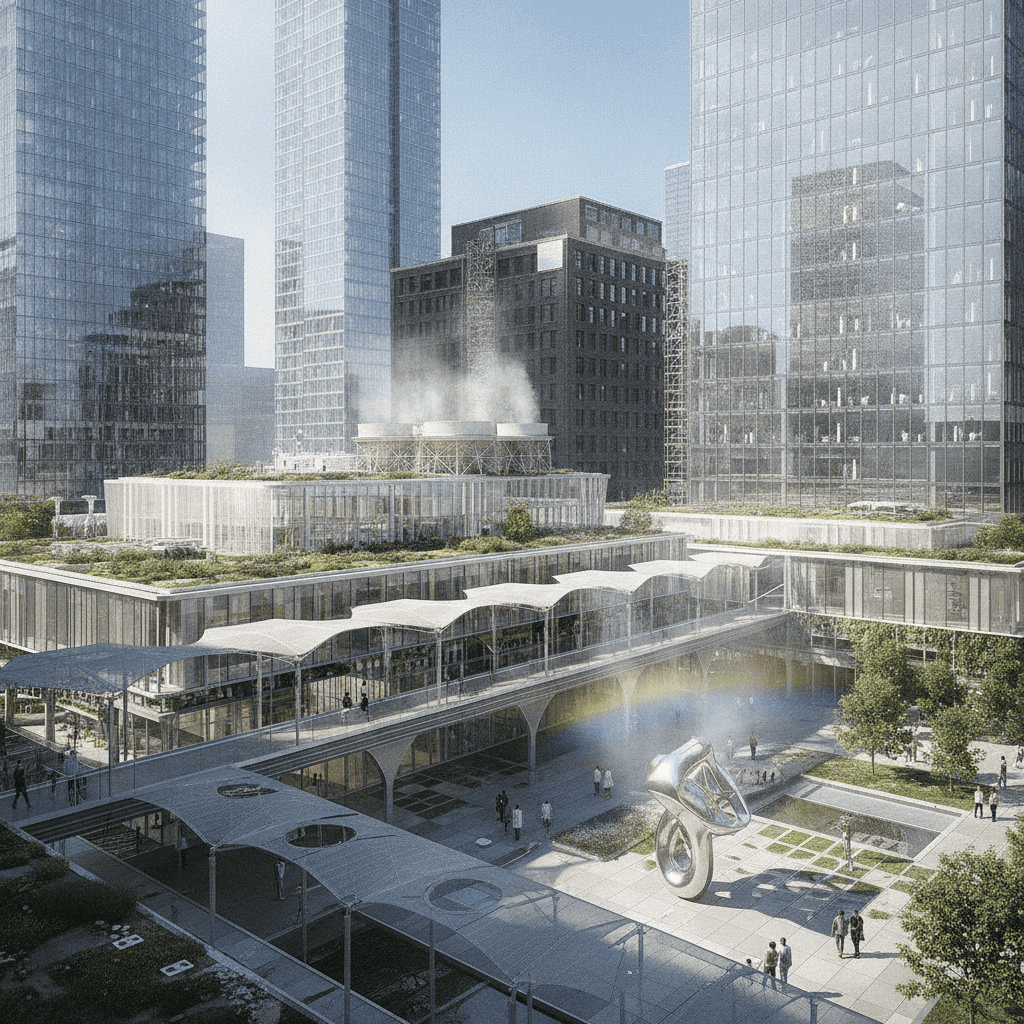
The modern urban landscape often faces a significant challenge with rising temperatures. Cities become heat islands, trapping warmth and making daily life uncomfortable. I see this firsthand in many places, and it is a topic that requires innovative thinking. Effective cooling strategies are not just about comfort but also about public health and environmental sustainability.
As technology continues to advance, we find new ways to tackle these complex issues. Our focus on “Technology for Innovators” means we are always looking for smart solutions. This includes understanding and leveraging resources like an Urban Cooling Reference Center.
This type of center provides vital information and guidance. It helps us all understand how to create cooler, more livable urban spaces. I believe that integrating smart technology with thoughtful urban planning is key to a comfortable future.
The Growing Need for Urban Cooling Solutions
The phenomenon known as the urban heat island effect is a major concern for cities worldwide. Buildings, roads, and other infrastructure absorb and re-emit the sun’s heat more than natural landscapes. This causes metropolitan areas to be noticeably warmer than surrounding rural areas. It creates real challenges for residents and city planners alike.
This elevated heat brings many environmental and economic impacts. Higher temperatures mean more demand for air conditioning, which increases energy consumption. This leads to higher utility bills for homes and businesses. It also strains power grids, sometimes causing blackouts during peak demand. This cycle can worsen climate change effects, because more energy use often means more greenhouse gas emissions.
Beyond the economic strain, there are serious public health consequences. Extreme heat can lead to heatstroke, exhaustion, and other heat-related illnesses. Vulnerable populations, like the elderly and children, are especially at risk. I have learned that without proper cooling, urban areas can become unsafe during hot spells. We must find better ways to keep our cities cool and safe for everyone.
Environmental and Economic Impacts of Urban Heat
The environmental strain of urban heat islands is evident in various forms. Increased temperatures affect local ecosystems. It changes plant growth cycles and puts stress on wildlife. The higher air temperatures also contribute to ground-level ozone pollution. This harms respiratory health for urban dwellers.
From an economic standpoint, the costs are substantial. Businesses might suffer reduced productivity because workers struggle in hot environments. Tourism can decrease during heatwaves, impacting local economies. The infrastructure itself can suffer damage. Roads can buckle and utility systems can become less efficient when overheated. Investing in cooling solutions now can prevent much larger costs later.
Technological innovations offer a path forward. We can mitigate these impacts and create more resilient urban environments. This is where an Urban Cooling Reference Center becomes incredibly valuable. It helps us explore and implement these new approaches.
Understanding the Urban Cooling Reference Center
An Urban Cooling Reference Center serves as a critical hub for knowledge and innovation. It collects research, data, and best practices related to urban temperature reduction. Think of it as a central library of solutions for keeping cities cool. I find such centers essential because they consolidate information that is often scattered across many disciplines.
These centers are not just about theory. They provide practical guidance for city planners, architects, engineers, and homeowners. They offer insights into different cooling technologies and strategies. This includes everything from green infrastructure to advanced building materials. The goal is to make informed decisions about urban development.
We rely on these types of resources to stay current with the latest advancements. They highlight what works and what does not work in different urban settings. This allows us to learn from successes and failures. It helps us avoid costly mistakes when designing new cooling initiatives.
A Hub for Knowledge and Best Practices
The core function of an Urban Cooling Reference Center is to be a comprehensive information source. It compiles studies on climate science, urban planning, and material engineering. Researchers can access a wealth of data to develop new cooling techniques. Practitioners can find case studies and implementation guides.
I believe that sharing knowledge is crucial for progress. These centers facilitate collaboration among experts. They foster innovation by providing a common platform. This ensures that the most effective and sustainable cooling methods are widely understood and adopted. It moves us closer to cooler, healthier cities for everyone.
Innovative Technologies in Urban Cooling
The field of urban cooling is rapidly evolving with exciting new technologies. Smart thermostats, for example, have transformed how we manage indoor temperatures. These devices learn our habits and adjust cooling automatically. They save energy and provide comfort without constant manual adjustments. I have seen how effective they can be in reducing energy waste.
Beyond individual homes, larger-scale solutions are also making a difference. Green roofs and cool pavements are becoming more common in city planning. Green roofs involve planting vegetation on rooftops. This helps insulate buildings and absorbs sunlight, reducing heat absorption. Cool pavements use reflective materials to bounce sunlight away. This keeps streets and surrounding areas cooler.
Advanced HVAC systems are also at the forefront of this movement. They are more energy-efficient than older models and often incorporate smart technology. Some systems use variable-speed compressors that adjust output based on demand. This saves energy and maintains a more consistent temperature. The integration of these systems is a key component of a successful urban cooling strategy.
Smart Home Integration for Optimal Comfort
Integrating smart home devices goes beyond just thermostats. We can link smart blinds to weather sensors, for instance. These blinds can close automatically during the hottest parts of the day. This reduces solar heat gain and lessens the burden on AC units. Smart ventilation systems can also bring in cooler outside air during evening hours.
These interconnected systems offer unprecedented control over our indoor environments. They allow for personalized cooling zones and remote management through smartphone apps. I find that this level of control not only boosts comfort but also significantly improves energy efficiency. It makes urban living more responsive to changing weather conditions.
Sustainable Infrastructure for Cooler Cities
For sustainable urban cooling, we must look at the city as a whole system. This means promoting green spaces like parks and urban forests. Trees provide natural shade and cool the air through evapotranspiration. They are a simple yet powerful natural cooling solution. We should encourage their widespread use.
Permeable surfaces that allow water to seep through can also help. They reduce stormwater runoff and contribute to evaporative cooling. When combined with cool materials and intelligent planning, these elements create a cooler urban fabric. This lowers overall ambient temperatures and reduces the need for artificial cooling.
Benefits of an Efficient Urban Cooling Strategy
Implementing an efficient urban cooling strategy brings many significant benefits. One of the most immediate is substantial energy savings. When cities are cooler, homes and businesses require less electricity to power their air conditioning systems. This reduces utility costs for everyone. I know how important these savings can be for budgets.
Another crucial benefit is improved public health. Lower urban temperatures directly decrease the risk of heat-related illnesses. This means fewer emergency room visits during summer months. It creates a safer environment for outdoor activities and daily commutes. A cooler city is a healthier city for its residents.
Furthermore, enhanced comfort and productivity are direct results. People are more comfortable in cooler environments, whether at home, work, or while enjoying public spaces. This comfort translates to increased productivity in workplaces and better quality of life. I believe that a comfortable city allows its inhabitants to thrive.
Economic Advantages of Modern Cooling
The economic benefits extend beyond just reduced energy bills. Businesses in cooler urban areas might see an increase in patronage. People are more willing to venture out and shop when temperatures are pleasant. This stimulates local economies and supports small businesses. Property values can also see a boost in areas known for effective cooling solutions.
Lower energy demand also means less strain on the public infrastructure. This can defer or avoid costly upgrades to power plants and transmission lines. Cities can reallocate these funds to other vital services. I find this aspect of modern cooling incredibly appealing for long-term urban development.
Health and Well-being in Cooler Spaces
A focus on urban cooling directly impacts the well-being of city residents. Beyond preventing heatstroke, cooler temperatures reduce stress levels. They improve sleep quality and foster a greater sense of community. When people are comfortable, they are more likely to interact and enjoy their surroundings.
Access to cooler public spaces also provides equitable relief during heatwaves. Not everyone has robust air conditioning at home. Parks with ample tree cover or buildings with cool roofs offer refuge. I believe that providing these cool havens is a matter of social equity. It protects the most vulnerable among us.
How Technology Empowers Cooler Urban Living
Technology is central to achieving cooler urban environments. It allows us to monitor, predict, and react to heat in sophisticated ways. This directly aligns with our mission of providing “Technology for Innovators.” We are always looking for smart ways to improve our lives.
Data analytics, for example, helps optimize cooling systems. Sensors placed throughout a city can collect real-time temperature data. This information helps urban planners identify hot spots and deploy resources effectively. It allows for dynamic adjustments to cooling strategies, making them more responsive and efficient. I have seen how powerful this data can be.
Predictive maintenance uses AI to anticipate issues in HVAC systems before they occur. This ensures that cooling infrastructure remains operational when it is most needed. It minimizes downtime and maximizes efficiency. Personalized climate control systems allow individuals to customize their immediate surroundings. This adds a layer of tailored comfort that was impossible before. These innovations make a real difference.
Finding Reliable Resources for Cooling Solutions
When seeking solutions for urban cooling, it is critical to find reliable information. The internet offers a vast amount of data, but not all of it is accurate or applicable. I always recommend turning to established sources. Industry associations, university research departments, and government agencies are good starting points.
These organizations often provide guidelines, studies, and case examples. They help us understand complex topics. Local resources can be particularly helpful for practical applications. For those in a specific region, finding localized information about air conditioning services and tips is very useful. For example, people looking for Dallas AC resources will find valuable guides specific to their climate and needs.
Always check the credentials of any advice you encounter. Look for experts with proven experience in HVAC, urban planning, or environmental science. This ensures you are getting sound advice. This diligence helps in making informed decisions for your home or community. Trustworthy information builds successful projects.
The Future of Urban Cooling and Smart Cities
The future of urban cooling is deeply intertwined with the concept of smart cities. I envision cities where cooling systems are fully integrated with other urban services. This includes smart energy grids and advanced weather forecasting. These integrations will create highly resilient and adaptive urban environments. They will respond intelligently to environmental changes.
Emerging trends point towards even more innovative solutions. Think of advanced phase-change materials in building facades. These materials absorb and release heat to regulate indoor temperatures passively. Large-scale urban misting systems in public spaces could also provide immediate relief. These are all part of a long-term vision for sustainable urban living.
The role of continuous innovation cannot be overstated. We must keep researching and developing new techniques. We need to refine existing ones and implement them effectively. An Urban Cooling Reference Center will remain a cornerstone in this ongoing effort. It will guide us toward creating cooler, more comfortable, and sustainable cities for generations to come. I am excited to see these advancements become reality.
Conclusion on Creating Cooler Urban Environments
The challenge of urban heat is real, but so are the innovative solutions we have at our disposal. We have explored how the urban heat island effect impacts our cities. We understand the significant environmental and economic burdens it creates. It is clear that effective cooling strategies are no longer a luxury, but a necessity for modern urban living.
An Urban Cooling Reference Center acts as a vital tool. It helps us navigate the complexities of urban temperature reduction. It provides a centralized hub of knowledge. This resource allows us to understand technologies like smart thermostats, green roofs, and advanced HVAC systems. These innovations offer tangible benefits, from saving energy and improving public health to boosting overall comfort and productivity. Technology empowers us to create more responsive and efficient cooling systems, making our cities smarter and more livable.
I strongly believe in the power of informed action. By leveraging reliable resources and embracing technological advancements, we can build a cooler, healthier future for our urban centers. I encourage you to seek out and engage with these resources. Learn how you can contribute to making your community a more comfortable place to live. Let us all be innovators in the pursuit of sustainable urban cooling solutions.
