
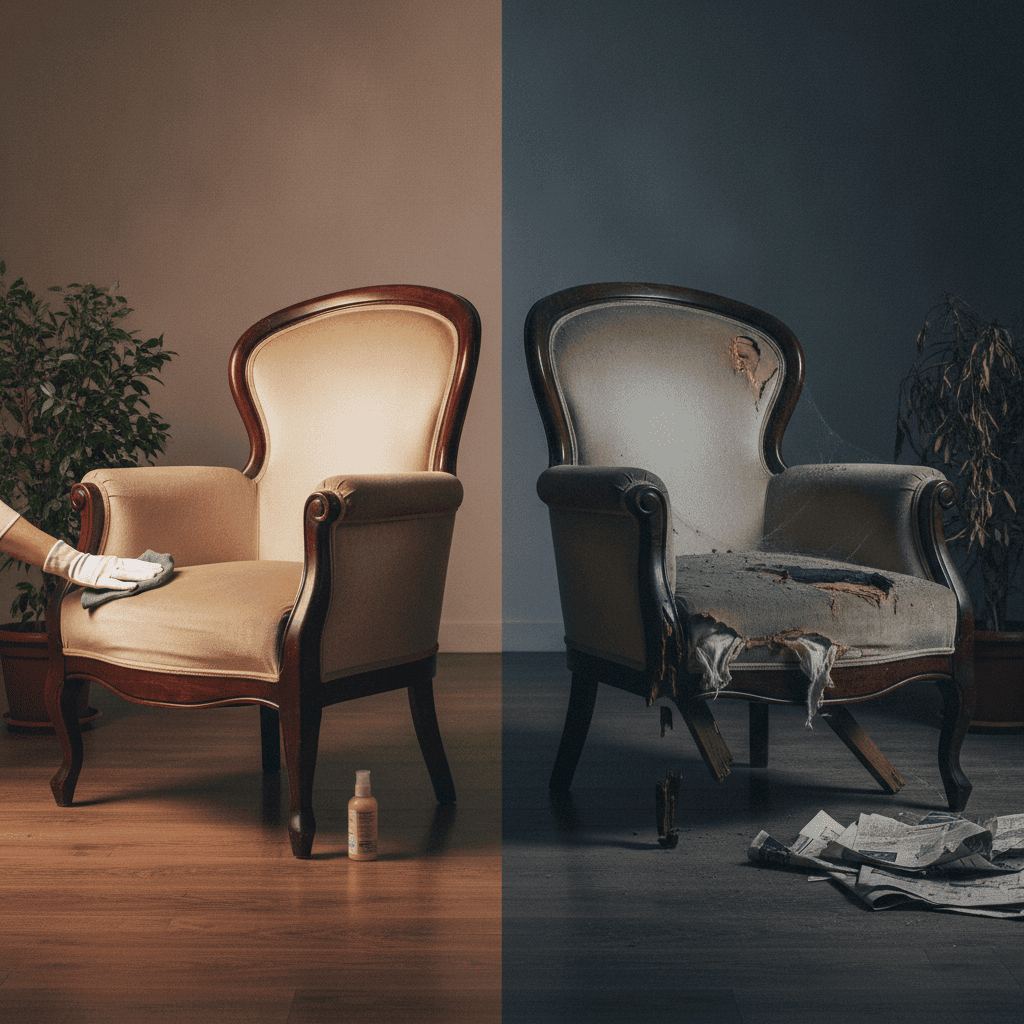
We all invest in furniture for our homes. It is not just about filling a space. It is about creating comfort setting a mood and reflecting our personal style. From the sturdy dining table where families gather to the plush sofa where we relax these pieces hold memories and serve daily functions. They are a significant part of our lives and represent a considerable financial investment too.
Because furniture plays such a central role proper care extends furniture life significantly. Many people think of furniture as something that just exists. But I see it as something that needs attention and regular maintenance. A little effort goes a long way in preserving its beauty and function.
When we care for our furniture we are not just cleaning it. We are actively preventing damage maintaining its structural integrity and keeping its original appeal. This article will share practical insights and actionable tips to help you keep your furniture looking its best for years to come.
Understanding Your Furniture’s Materials for Better Care
Each piece of furniture in your home has a story and a specific makeup. Knowing the material of your furniture is the first step towards giving it the right care. Different materials react differently to cleaning agents moisture and sunlight. What works for a wooden dresser might damage a velvet sofa.
I always recommend taking a moment to identify the primary materials. This could be solid wood laminate leather fabric or metal. Many modern pieces use a combination of these materials. Always check for manufacturer labels or care instructions when you first acquire a piece. These labels are your best guide for specific cleaning and maintenance requirements.
Ignoring material-specific care can lead to fading warping cracking or irreversible stains. We want to avoid these issues by being informed and proactive.
Wood Furniture Care Basics
Wood furniture needs specific care to maintain its luster and prevent damage. I always advise protecting wood surfaces from direct sunlight and extreme temperatures. Sunlight can fade finishes and heat can cause wood to dry out and crack.
For daily cleaning use a soft cloth to dust regularly. When spills happen wipe them up immediately with a slightly damp cloth. Avoid harsh chemical cleaners that can strip the finish. For a deeper clean use a wood-specific cleaner or polish sparingly. Always test any new product in an inconspicuous area first.
Upholstery Maintenance Tips
Upholstered furniture like sofas and chairs can trap dirt and allergens easily. Regular vacuuming with an upholstery attachment is a simple yet effective way to remove loose dirt and dust. I suggest doing this once a week or more frequently if you have pets.
For spot cleaning blot spills with a clean white cloth. Never rub a stain because it can spread it or push it deeper into the fabric. Use a gentle fabric cleaner or a mixture of mild soap and water. Again always test on a hidden area. Many fabrics also benefit from professional cleaning every 12 to 18 months.
Daily Habits That Protect Your Furniture Investment
The secret to long-lasting furniture often lies in small daily habits. It is not always about grand cleaning projects. Consistent, mindful actions can prevent a lot of wear and tear. I have seen many pieces of furniture last decades simply because their owners adopted a few simple routines.
Think about how you use your furniture every day. Are you placing hot cups directly on wood tables? Are shoes resting on upholstery? Small adjustments to these habits can make a real difference in preserving your furniture’s appearance and structural integrity. These habits are easy to incorporate and require minimal effort.
Quick Cleaning for Spills
Immediate action is critical when it comes to spills. I tell everyone that time is of the essence. The longer a spill sits the deeper it can penetrate and the harder it becomes to remove. Blotting liquids with a clean absorbent cloth is always the best first step. For solid spills gently scoop them up.
After blotting or scooping, apply a small amount of an appropriate cleaner. Remember to always use a clean section of the cloth as you blot. This prevents reapplying the stain. Quick cleaning prevents many minor incidents from becoming major problems.
Positioning for Longevity
Where you place your furniture can have a significant impact on its lifespan. Direct sunlight can cause fading and drying. Heat sources like radiators or fireplaces can warp wood and weaken fabric fibers. I recommend positioning furniture away from these elements whenever possible.
If you cannot avoid sunlight use blinds or curtains during peak sun hours. Rotate cushions on upholstered pieces regularly to ensure even wear. This helps maintain shape and comfort, preventing one area from becoming flattened or worn out before others.
Essential Cleaning Techniques for Different Furniture Types
Effective cleaning goes beyond just wiping things down. It requires using the right techniques and products for each specific material. I have learned that a one-size-fits-all approach rarely yields the best results. Investing a little time to learn these techniques will keep your furniture looking newer for much longer.
When tackling a new cleaning task I always gather all my supplies first. This prevents interruption and ensures I have everything I need. Remember to read product labels and follow their instructions carefully. Using too much product or the wrong type can cause more harm than good.
For instance, specialized cleaning for leather is very different from cleaning a fabric couch. If you have any doubts about cleaning a particular piece I recommend consulting with experts. Sometimes calling a professional is the best way to ensure the job is done correctly. For expert advice and services on keeping your upholstered furniture in top condition visit https://azcouchcare.com/.
Cleaning Upholstered Furniture
Upholstered items require consistent care. First, vacuum all surfaces using the brush attachment to dislodge dirt. Then use a crevice tool for tight spots. For general cleaning, a fabric upholstery cleaner works well. Apply it to a clean cloth then gently wipe the fabric.
Avoid soaking the fabric. Always allow it to air dry completely. For stubborn stains follow the manufacturer’s cleaning code often found on a tag. This code tells you if the fabric is safe for water-based solvents or needs professional dry cleaning.
Maintaining Leather Furniture
Leather is durable but it needs regular conditioning to prevent drying and cracking. I suggest dusting leather weekly with a soft cloth. For minor spills wipe them immediately with a damp cloth. Do not use harsh soaps or abrasive cleaners.
Condition your leather furniture every six to twelve months with a quality leather conditioner. This keeps the leather supple and moisturized. It also helps to prevent small cracks and wear from becoming larger issues over time. Proper leather care truly makes a visible difference.
Preventing Damage Before It Happens
Proactive prevention is a cornerstone of furniture longevity. It is far easier to prevent damage than to repair it. My experience shows that most furniture damage comes from common preventable issues. By being a bit more thoughtful about how we interact with our furniture we can save a lot of trouble and expense.
This includes safeguarding against everything from accidental scratches to structural wear. Thinking ahead about potential hazards helps create a protective environment for your valuable pieces. We want to maximize their lifespan and beauty through smart practices.
Using Furniture Protectors
Simple items like coasters and placemats are invaluable. They protect wood and other surfaces from moisture rings heat marks and scratches. I always use them under drinks and hot dishes. Felt pads under chair legs and heavy furniture also prevent scratches on your floors.
Consider slipcovers for heavily used upholstered pieces especially if you have children or pets. These offer a removable and washable layer of protection that can extend the life of your original upholstery significantly. They are a practical solution for busy households.
Pet and Child-Proofing Furniture
Pets and children can be tough on furniture but there are ways to minimize damage. I recommend teaching pets not to scratch or chew on furniture. Providing scratching posts for cats helps redirect their natural instincts. For children setting clear rules about eating or playing on certain pieces can protect them.
Choosing durable, easy-to-clean fabrics for homes with active kids or pets is also a smart move. Consider performance fabrics that resist stains and wear. Regularly inspect furniture for loose parts or sharp edges that could be a hazard or get damaged further.
When to Call the Professionals
While many care tasks can be handled at home some situations truly require the expertise of professionals. Recognizing when to call for help is a sign of smart furniture ownership. Attempting complex repairs or deep cleaning without the right tools or knowledge can often lead to more harm than good.
Professionals have specialized equipment and training to address issues that go beyond surface-level care. Their methods can often restore furniture to a condition that DIY attempts simply cannot achieve. I always advise people not to hesitate to seek professional assistance when a problem seems too big or too intricate.
For example, antique furniture restoration demands a delicate touch and specialized techniques. Deep-set stains that resist home remedies often need industrial-grade extraction methods. Structural damage like broken frames or loose joints needs skilled repair to ensure safety and stability. Professional services offer peace of mind knowing your valuable items are in capable hands.
The Long-Term Benefits of Consistent Furniture Care
Maintaining your furniture with proper care extends furniture life far beyond what you might expect. It is an ongoing commitment but the rewards are substantial. When you dedicate time to caring for your pieces you are not just preserving their appearance. You are also protecting your financial investment and the memories associated with them. Well-maintained furniture retains its value making it a more significant asset in your home. It creates a more inviting and comfortable living space for everyone to enjoy. Thinking about the long-term impact of your care habits helps reinforce the importance of this work.
Beyond the practical benefits there is a certain satisfaction that comes from living with beautiful well-cared-for items. Your furniture reflects your attention to detail and your pride in your home. It shows that you value quality and durability. Embracing a routine of proper furniture care ensures your pieces will continue to bring joy and functionality to your home for many years to come. Start today by implementing some of these tips and see the difference it makes in the longevity and beauty of your cherished furniture.
