
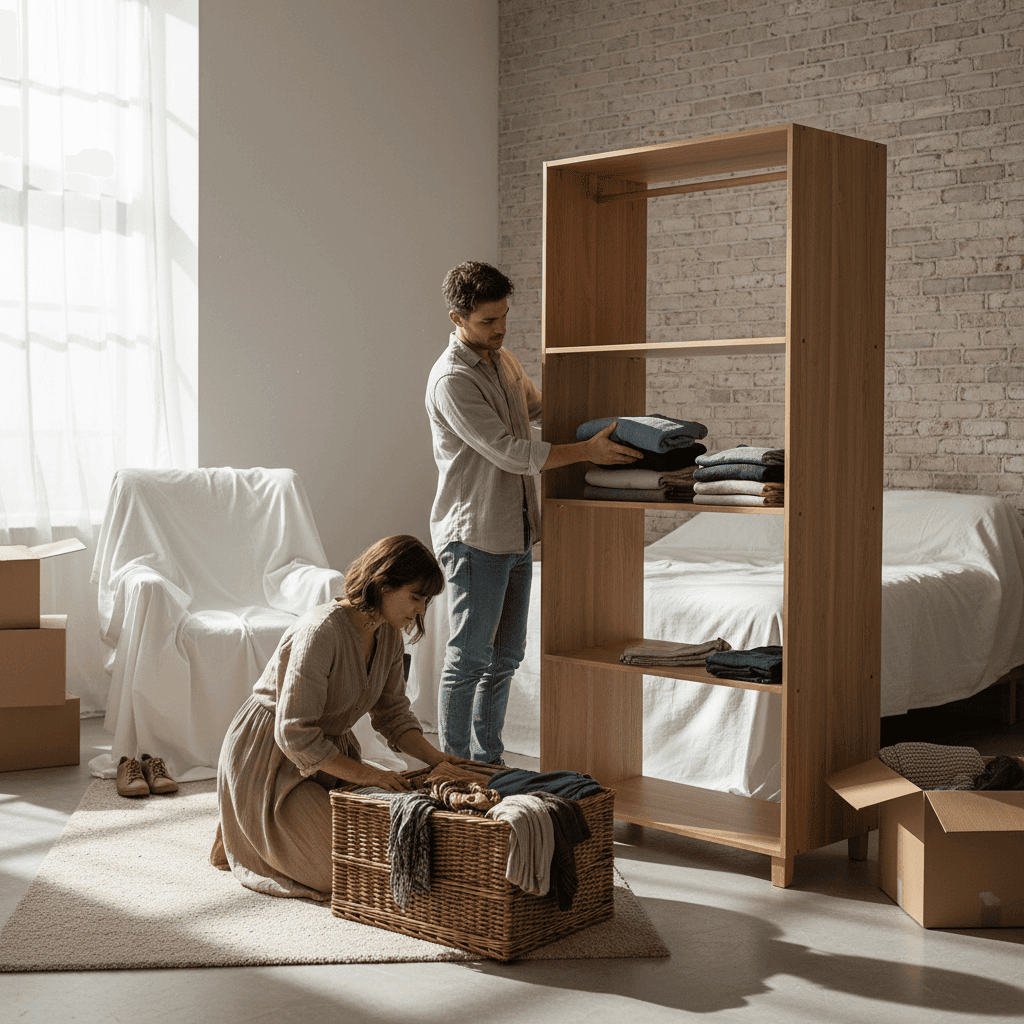
Moving day raises a long list of questions and one of the most common is how to handle furniture that already contains clothing. You may have full dressers, armoires with coats, or benches that double as storage. The decision you make affects weight, safety, protection of garments, and how quickly you can get settled in the new place.
This guide walks through practical steps for preparing furniture with stored clothing so items arrive in good condition and movers have fewer surprises. You will find clear tips for when to leave contents in place, how to secure drawers and doors, and how to protect both the furniture and the garments during transport.
Why planning matters when preparing furniture with stored clothing
Furniture that carries clothing changes how that piece moves and what precautions are necessary. A full dresser is considerably heavier than an empty one, which affects lifting, vehicle load balance, and the risk of tipping. Clothing left in drawers can shift and cause drawers to slide open. Unprotected fabric can stain or catch on rough edges while being carried through tight hallways.
Planning ahead reduces damage, speeds up the move, and lowers the chance of injury. Simple steps such as securing drawers, wrapping exposed fabrics, and redistributing weight can make a big difference for you and the moving crew. Think of this preparation as a safety checklist that also preserves your wardrobe.
Pros and cons of leaving clothing in furniture during a move
There are valid reasons to leave items inside furniture and also clear reasons to empty them. Consider the following when making your choice.
- Pros Clothes remain folded and ready for placement at the new home which cuts unpacking time. Soft items act as built in padding helping to protect delicate furniture interiors during movement.
- Cons Filled drawers raise weight and can make handling awkward. Unlatched drawers may slide out. Heavy items may exceed weight limits for moving pads and lifts, increasing the risk of damage.
- Leaving clothes inside can be a good choice for light items such as t shirts, socks, and linens. Heavier pieces like books should never remain in furniture during a move.
How to secure drawers and doors for moving
Securing moving parts prevents shifting and accidental opening. Here are dependable methods used by professional movers and practical for DIY moves.
Methods to lock drawers and doors
- Use strong packing tape across the drawer faces to hold them in place. Test with a light tug to confirm the tape will hold during a carry.
- Ratchet straps or soft moving straps wrapped around the furniture provide a reusable option that can be tightened to lock doors and drawers. Padding under the straps prevents surface damage.
- Temporary screws or brackets placed inside the top of drawers stop them from sliding out, although this requires some tool work and later removal.
PADDING inside drawers
Small gaps around clothing can allow items to shift. Add towels, bathrobes, or bubble wrap around edges to reduce movement. For fragile garments use acid free tissue paper between folds to limit creasing. If you are leaving a heavy coat or a suit, cover it with a garment bag to keep dust and moisture away.
Protecting upholstery and fabric when clothing is stored in furniture
Clothing can help cushion furniture during moves, but fabric surfaces remain vulnerable. Follow these tips to protect surfaces and garments.
- Wrap upholstery with clean sheets or moving blankets to block dirt and abrasions. Where possible, use straps to hold the wrap in place without compressing cushions excessively.
- Cover open fabric with a thin cotton sheet before applying a plastic cover to allow breathability. Completely sealing damp clothing in plastic can trap moisture and lead to mildew.
- For long term storage of clothing inside furniture that will be moved later, place cedar blocks or lavender sachets to reduce odors and moth risk. Avoid mothballs unless you want strong chemical odor.
When to empty dressers and when to leave contents
Decision rules help you choose the best approach for each piece of furniture.
- Empty dressers that are over three quarters full with heavy items. Heavy weight makes the piece harder to lift and increases stress on drawer glides.
- Leave contents in dressers when items are mostly soft clothing and the piece is stable and not overly heavy. This saves time and keeps items folded for the new location.
- Always empty dressers with glass tops, mirrors attached, or antique construction that could shift in transit. These are fragile and require separate packing or professional handling.
Example scenario for clarity. If a bedroom dresser holds mainly t shirts, underwear, and a couple of sweaters and the dresser itself is solid wood and not extremely heavy, leaving the clothes in place with drawers taped can be fine. If the same dresser contains a stack of hardcover books and a heavy tool tray mixed in, emptying is the safer route.
Packing and labeling tips for furniture with clothing
Labeling and sensible packing speed unpacking and reduce confusion. Here are practical techniques that can be done in a short time.
- Mark each drawer with a simple label such as top, middle, bottom and the room it belongs to. This helps movers place items correctly without opening drawers on the truck.
- Pack fragile accessories in clear plastic tubs so they remain visible and protected during the move. Place these tubs on top of clothing if they must travel inside the furniture temporarily.
- For wardrobes and armoires use hangers and a garment bag to keep suits and dresses wrinkle free. If you leave hanging clothing inside, secure the doors and add extra padding at hinges.
Hiring professionals and what to ask
When you choose to hire labor, communication about furniture that contains clothing is critical. Movers will appreciate clear instructions on which pieces may travel full and which must be emptied. Ask whether the mover has weight limits for pieces that remain filled and whether their insurance covers damage related to overloaded furniture.
For local information and frequently asked questions related to dressers and moving in Austin visit Mountain Movers where you can find policies and guidance to match your moving scenario.
- Let the movers inspect heavy pieces before lifting so they can bring necessary equipment such as a two wheeled dolly, furniture sliders, or extra straps.
- Ask how they secure open drawers in transit and whether they will repack or re level items if needed during loading.
Practical moving day strategies to prevent damage and delays
On the day of the move small habits keep everything moving smoothly. Keep a toolkit and spare tape in plain sight so you can make quick fixes. Place a laundry basket by each piece of furniture you decide to empty; it keeps garments organized and easy to transport.
- Clear pathways before movers arrive so furniture slides through hallways without obstruction. Remove rugs that might catch and create tripping hazards.
- Have a labeled essentials box with one outfit per person, undergarments, chargers, and basic toiletries so you do not need to search boxes right away.
- If a drawer opens during carrying, stop and secure it before continuing. This prevents items from catching on door frames or stairs and reduces the risk of bruises on hands or forearms.
Post move unpacking and clothing storage tips
Once your furniture arrives, give it a short inspection before setting it down. Check for scuffs, drawer alignment, and any signs of moisture. Move clothing into fresh shelving or closet space if you notice any musty smell.
- Open drawers outdoors for a short airing period if garments smell closed in. Sunlight and fresh air help, but avoid direct bright sun on delicate fabrics which can fade colors.
- Rotate garments into closets or dressers in a logical order so you can find what you need fast. Keep a labeled box of shoes and belts near the bedroom to finish the setup quickly.
- If you find damage from pressure points, use felt pads or corner protectors between stacked furniture pieces in the future to spread weight more evenly.
Handling furniture with stored clothing requires a mix of common sense and a few technical fixes. Small investments of time on packing and labeling save hours during unpacking and reduce the likelihood of damaged garments and furniture.
Take action now by making a short list of pieces that will travel full and those that must be emptied. Set aside packing supplies and the essentials box for the first 24 hours. If you plan to hire professionals, share your list and concerns with them before moving day so the crew arrives ready and the process goes smoothly.
