
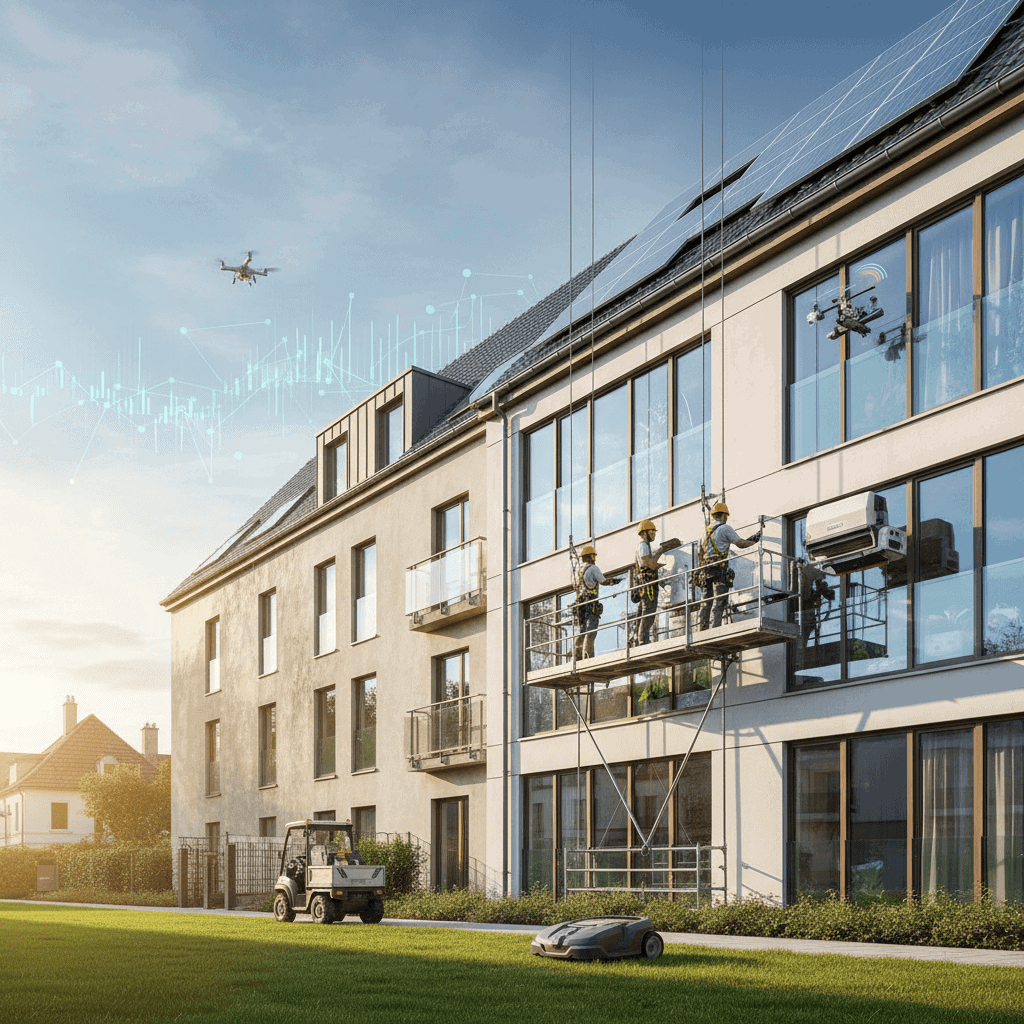
In our modern world, innovation drives progress across all sectors. I have seen how technology revolutionizes industries that were once considered traditional. Real estate is certainly one of those areas. The value and functionality of properties depend heavily on their upkeep, and this is where technical maintenance becomes crucial.
For too long, real estate maintenance has been viewed as a reactive task. We wait for something to break and then we fix it. However, the paradigm is shifting. By embracing new technologies and proactive strategies, we can improve real estate through technical maintenance in ways previously unimaginable. This shift is not just about repairs. It is about enhancing property value, ensuring occupant safety, and creating more efficient operations overall.
I believe that applying a forward-thinking approach to property care offers substantial benefits. This ranges from integrating smart home systems to employing data analytics. These innovations allow us to move beyond simple fixes and towards a truly optimized asset management strategy.
The Essential Role of Proactive Technical Upkeep in Property Value
Maintaining a property is more than just fixing leaks or changing light bulbs. It represents a foundational investment in the asset’s long term health and value. I always emphasize that proactive technical upkeep is key. It helps prevent minor issues from becoming major, expensive problems.
Consider a commercial building or a residential complex. Regular inspections of electrical systems, plumbing, and HVAC units are not just about compliance. They are about maintaining peak operational efficiency. This attention to detail reduces energy costs, minimizes downtime for tenants, and extends the lifespan of critical infrastructure. When these systems run smoothly, occupants are happier and property managers face fewer headaches.
A well-maintained property stands out in the market. Buyers and renters are increasingly savvy. They look for properties where the infrastructure is sound and modern. This includes reliable heating and cooling, efficient plumbing, and up-to-date electrical wiring. Investing in consistent technical maintenance directly translates into higher resale values and attractive rental yields.
Neglecting these areas can lead to rapid depreciation. Deferred maintenance often creates a cascading effect. A small roof leak can lead to structural damage and mold growth. An aging boiler can fail suddenly, causing significant disruption and emergency repair costs. A proactive approach helps avoid these costly scenarios entirely.
Smart Home Systems and Predictive Maintenance for Efficiency
The rise of smart home technology has completely changed how we think about property management. I find it fascinating how these systems empower us to move from reactive to predictive maintenance. Sensors and connected devices can monitor a property’s condition in real time. This allows us to anticipate issues before they escalate.
Imagine an HVAC system that alerts you to unusual performance metrics, indicating a potential component failure. Or consider a plumbing system with water leak detection sensors that can shut off water automatically to prevent flooding. These are not futuristic concepts. They are current realities. Smart thermostats optimize energy usage and can even identify inefficiencies in your heating or cooling units.
Predictive maintenance uses data collected from these smart devices. Artificial intelligence algorithms analyze this data to identify patterns and anomalies. This allows property managers to schedule maintenance precisely when it is needed. We avoid unnecessary routine checks. We also prevent unexpected breakdowns. This approach saves money on repairs and extends the life of equipment. It also significantly improves occupant comfort and safety.
I believe that integrating these systems offers a substantial competitive advantage. Properties equipped with smart maintenance solutions are more appealing to environmentally conscious individuals. They also attract those seeking convenience and lower utility bills. It is a win win for everyone involved.
Leveraging Data Analytics for Smarter Property Management
In the digital age, data is a powerful asset. For improving real estate through technical maintenance, data analytics provides insights that traditional methods simply cannot. I have seen how analyzing maintenance records, utility consumption, and sensor data can reveal critical trends and opportunities for optimization.
Property managers can use historical repair data to identify common failure points in specific equipment models or types of properties. This knowledge informs better purchasing decisions. It also helps create more effective preventative maintenance schedules. If a certain brand of water heater consistently fails after five years, we can proactively replace similar units before they cause problems.
Energy consumption data is another valuable source. Analyzing trends can highlight inefficiencies in insulation, windows, or HVAC systems. This allows for targeted upgrades that reduce operational costs significantly. We can compare energy usage across similar properties to benchmark performance and identify underperforming assets. This helps improve energy efficiency.
Tenant feedback and service request data also play a role. By categorizing and analyzing these requests, we can uncover recurring issues that point to systemic problems requiring technical intervention. For example, frequent complaints about drafts might indicate a need for a comprehensive weatherproofing project. This data driven approach leads to more informed decisions and better resource allocation. It moves us away from guesswork and towards evidence based property management.
Advanced Tools for Efficient Technical Repairs
Technical maintenance is also being transformed by advanced tools and specialized equipment. I find it fascinating to see how these innovations make repairs more precise, faster, and less disruptive. Old methods are giving way to smarter, more effective solutions.
Drones equipped with high resolution cameras and thermal imaging capabilities are a prime example. They can inspect roofs, facades, and other hard to reach areas safely and quickly. This identifies potential issues like cracked tiles, water ingress, or heat loss. Traditional inspections would be expensive and dangerous. Drones complete them efficiently.
Thermal imaging cameras are also invaluable for identifying electrical faults or plumbing issues hidden behind walls. They detect hot spots in electrical panels that indicate overloaded circuits. They find cold spots in pipes that may suggest a leak. This reduces the need for destructive investigation and pinpoint fixes precisely. When we need to address specific electrical concerns, a qualified professional is essential for safety and compliance. A good resource for understanding these benefits further is the Kenna Real Estate electrician guide. It provides details on how proper electrical work improves property value.
Robotic tools and specialized sensors are also making their way into maintenance. For example, tiny cameras can navigate internal pipe systems to diagnose blockages or damage without extensive digging. This minimizes disruption to property and occupants. These tools save both time and money. They deliver better results than ever before.
Enhancing Safety and Security Through Integrated Systems
Technical maintenance extends beyond just fixing things. It encompasses the integration of systems that bolster a property’s safety and security. I see this as a critical aspect of modern real estate management. Ensuring a safe environment for occupants is paramount and technology helps us achieve this.
Modern security systems are far more than just alarms. They include networked cameras, smart locks, and access control systems that can be monitored remotely. These systems offer real time alerts and comprehensive surveillance. This deters crime and provides peace of mind. Integration with smart home hubs allows for unified control. This makes managing security simple and effective.
Fire and life safety systems are also evolving with technical maintenance. Smart smoke detectors and carbon monoxide detectors can communicate with each other. They send alerts to building management or emergency services automatically. Integrated sprinkler systems and emergency lighting also benefit from regular technical checks to ensure they are fully operational when needed most. These checks are not just about meeting codes. They are about protecting lives and property.
Even structural components and building envelopes benefit from technical assessment. Regular technical inspections detect signs of wear or structural stress. Addressing these issues early prevents collapses or major failures. This maintains the structural integrity and longevity of the building. This combined approach makes buildings safer and more secure for everyone.
Sustainable Practices in Real Estate Maintenance
Sustainability is no longer a niche concept. It is a fundamental expectation in real estate. I advocate for integrating sustainable practices into technical maintenance strategies. This not only benefits the environment but also significantly enhances property appeal and long term cost efficiency.
One key area is energy efficiency. This includes upgrading to LED lighting, installing high efficiency HVAC systems, and improving insulation. Technical maintenance ensures these systems operate at their peak. It also identifies opportunities for further energy savings. Regular tuning of HVAC units helps them run more efficiently. This reduces their carbon footprint and lowers utility bills.
Water conservation is another vital aspect. Implementing low flow fixtures, smart irrigation systems, and leak detection technology minimizes water waste. Technical maintenance involves checking these systems regularly. This ensures they are functioning correctly and that water consumption is optimized. Detecting and fixing leaks promptly prevents significant water loss. It also protects the building from water damage.
We also look at waste management. This involves proper disposal of hazardous materials used in maintenance. It includes recycling old appliances and construction debris. Adopting green building materials for repairs and renovations also contributes to sustainability. These efforts create healthier indoor environments and attract tenants who prioritize ecological responsibility. It is clear that green technical maintenance delivers both environmental and economic benefits.
The Future of Real Estate Maintenance is Technical
Improving real estate through technical maintenance is a continuous and evolving process. I have seen firsthand how incorporating innovative technologies and forward thinking strategies can redefine property value and operational efficiency. The traditional reactive approach is becoming obsolete. We are moving towards a more predictive, data driven, and sustainable model. This shift benefits property owners, managers, and occupants alike.
The embrace of smart home systems allows for real time monitoring and predictive insights. Data analytics transforms raw information into actionable strategies for cost savings and improved performance. Advanced tools like drones and thermal imaging make inspections safer and repairs more precise. Integrating safety and security systems creates environments that are both secure and reassuring. Finally, adopting sustainable practices ensures properties are environmentally responsible and economically attractive for the long run.
I believe that the future of real estate lies in smart, well maintained properties. These are properties that leverage technology not as an afterthought but as an integral part of their upkeep. By focusing on technical maintenance now, we build a foundation for resilient, valuable, and appealing real estate assets. This is an ongoing commitment to innovation and excellence. We must stay informed about new technologies and apply them thoughtfully. This proactive approach helps us create properties that truly stand the test of time and market changes. It is time to invest in the technical future of our buildings.
